 713-662-3123
Planning a budget for custom interior signage helps your brand stand out while keeping costs predictable. This guide breaks down the main cost drivers—materials, design complexity, installation, and permits—so you can make smart choices that match your goals. By the end, you’ll understand how to allocate funds for custom interior signage that looks great and performs reliably.
What Are the Primary Cost Factors Influencing Custom Interior Signage Pricing?
Several core factors determine the price of custom interior signs. The material you choose, the complexity of the design, installation and maintenance needs, and local permitting rules all play a role. Knowing these elements up front helps you build a realistic budget for your project.
How Do Materials Affect Interior Signage Costs?
Material choice is one of the biggest cost drivers. Vinyl is usually the most affordable but has a shorter lifespan than acrylic or metal. Acrylic offers a balance of cost and durability, while metal costs more up front but lasts longest and supports more elaborate finishes. Higher-quality materials can raise initial costs but often reduce replacement and repair expenses over time.
What Role Does Design Complexity Play in Pricing?
Design complexity directly affects production time and cost. Simple, clean designs take less time and fewer resources, so they cost less. Intricate logos, layered elements, custom finishes, or specialty lighting add production steps and expense. Match your design ambitions with your budget to get the aesthetic you want without unnecessary overspend.
How Do Installation and Maintenance Expenses Impact Your Signage Budget?
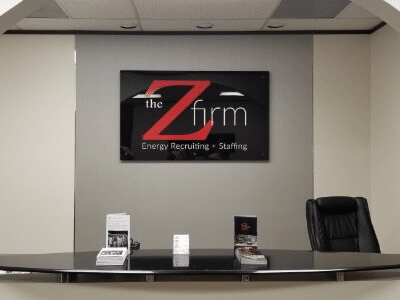
Installation and ongoing care are essential budget items. Installation costs vary by sign type and placement—wall-mounted signs are typically easier and cheaper to install than freestanding or suspended units. Regular maintenance (cleaning, minor repairs, bulb replacements) keeps signs looking and working their best and prevents bigger costs down the road.
What Are Typical Installation Costs for Custom Interior Signs?
Installation costs vary based on size and complexity, but a typical range is between $200 and $800. Specific site conditions, electrical work, or special mounting methods can increase that number. We recommend getting multiple quotes so you can compare scope and price.
How Should You Plan for Ongoing Maintenance Expenses?
Plan for ongoing maintenance by budgeting about 10–15% of the initial sign cost per year. Regular cleaning and prompt minor repairs protect your investment and keep your signage looking professional longer.
What Local Houston Regulations and Permits Affect Interior Signage Costs?
Local regulations and permit requirements can affect cost and design choices. In Houston, businesses must follow rules on sign size, materials, and placement in certain locations. Checking local codes early prevents surprises and helps you estimate permit-related costs accurately.
Are Permits Required for Custom Interior Signs in Houston?
Yes—permits are often required for interior signs in Houston, depending on size and location. Permit requirements vary, so confirm rules with local authorities before finalizing your plans to avoid delays or fines.
How Do Houston Signage Regulations Influence Budgeting?
Regulations can limit material or placement options and sometimes require design adjustments. Noncompliance can lead to fines or the need to rework signs, which raises costs. Factor potential permit fees and compliance changes into your budget from the start.
How Can You Obtain Accurate Custom Interior Signage Quotes from Houston Sign Company?
Clear, detailed project information produces the most accurate quotes. The more specifics you provide, the more precise the estimate will be—saving you time and preventing surprises during production and installation.
When clients receive a detailed estimate, they often use it as the foundation for their own project budget. Clear estimates build trust and help keep everyone aligned.
Interior Design Budgeting & Cost Estimation
A detailed estimate is a clear sign of client trust—many clients adopt your estimate as their budget.
— The Interior Designer’s Guide to Pricing, Estimating, and Budgeting, 2010
What Information Is Needed for a Personalized Signage Estimate?
- Type of Sign: Tell us whether you want wall-mounted, freestanding, hanging, or directional signs.
- Dimensions: Provide exact measurements so we can size materials and mounts correctly.
- Material Preferences: Note any material choices or finishes you prefer (vinyl, acrylic, metal, etc.).
- Design Specifications: Share logos, color specs, artwork files, and any brand guidelines to ensure a seamless result.
Frequently Asked Questions
What are the benefits of investing in high-quality materials for signage?
Higher-quality materials like acrylic and metal last longer and need fewer repairs. While the upfront cost is higher, you’ll often save on replacements and maintenance. Premium materials also present a more professional look, which can improve customer perception of your brand.
How can businesses determine the right size for their interior signs?
Choose sign size based on visibility, viewing distance, and the space around the sign. Directional signs should be larger for readability at a distance; informational signs can be smaller if placed close to the audience. Measure the intended location and consider sight lines before deciding.
What are some common mistakes to avoid when budgeting for signage?
Common errors include underestimating installation and maintenance, ignoring permit requirements, and overlooking design complexity. Don’t focus only on material cost—account for labor, electrical work, permits, and ongoing upkeep to avoid unexpected expenses.
How can businesses ensure their signage aligns with their brand identity?
Use consistent colors, typefaces, and logo placement that match your brand guidelines. Work with a designer who understands your brand voice and audience. Test designs in the actual space and update signs as branding evolves to maintain a cohesive look.
What factors should be considered when choosing a signage provider?
Look for experience, a strong portfolio, and customer reviews. Communication matters—choose a provider who listens, offers clear estimates, and explains materials and processes. Ask about warranties and installation services to ensure a reliable outcome.
How can businesses measure the effectiveness of their signage?
Measure signage impact with customer feedback, changes in foot traffic, and sales or inquiry tracking after installation. Simple surveys or A/B testing different messages or placements can also reveal what works best in your space.
Conclusion
Budgeting well for custom interior signage improves your brand visibility and protects your investment. By understanding material choices, design complexity, installation needs, and local regulations—and by getting clear, detailed quotes—you’ll make decisions that balance cost and impact. Ready to plan your signage? Explore our options and start a conversation with our team today.