 713-662-3123
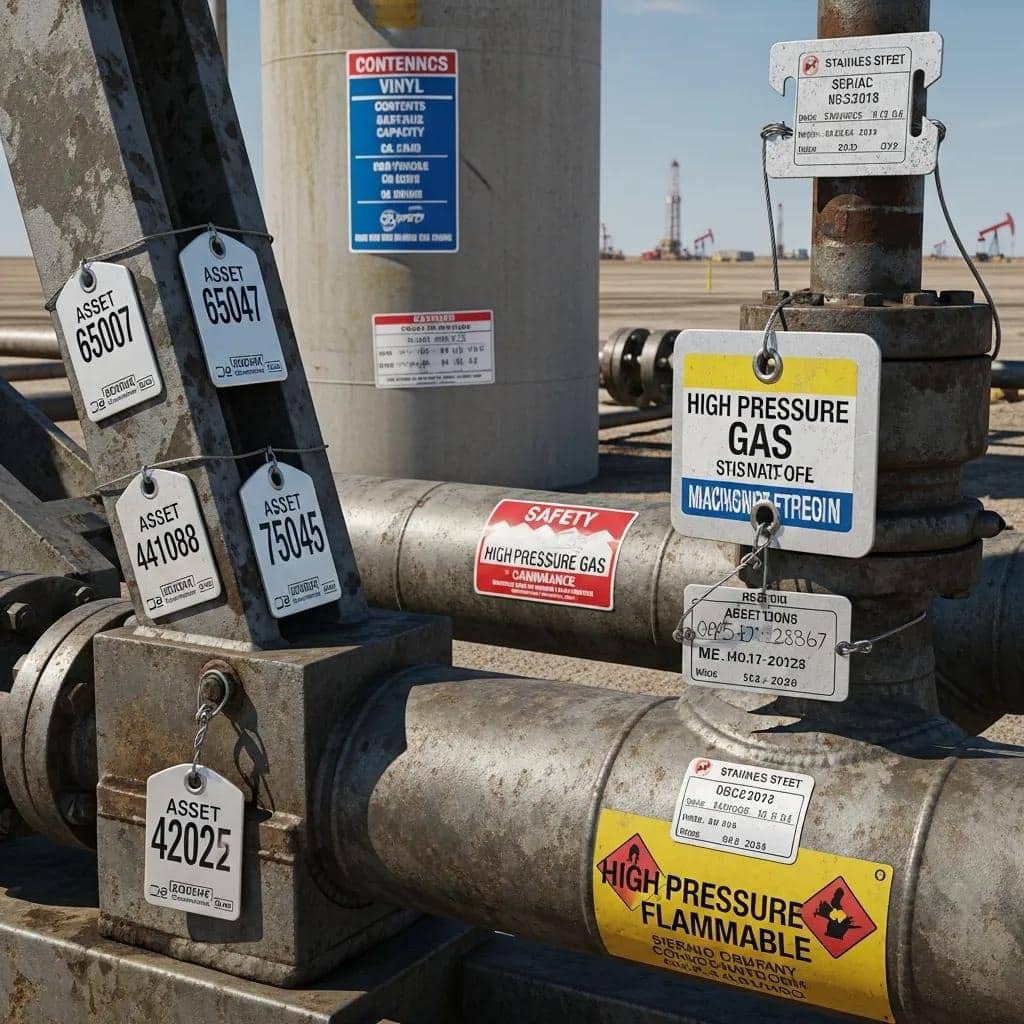
In the Houston oil and gas industry, effective asset management is crucial for operational efficiency and regulatory compliance. “Asset tags” and equipment labels play a vital role in tracking equipment, ensuring safety, and maintaining compliance with industry standards. This article delves into the key compliance requirements, regulatory standards, and the importance of durable materials for asset tags and equipment labels. Readers will learn how these elements contribute to enhanced safety and operational efficiency in the oil and gas sector. Additionally, we will explore customization options available through local services, particularly from Houston Sign Company, which specializes in industrial labeling solutions tailored for the unique challenges of the oilfield environment.
What Are the Key Compliance Requirements for Oil and Gas Equipment Labels in Texas?
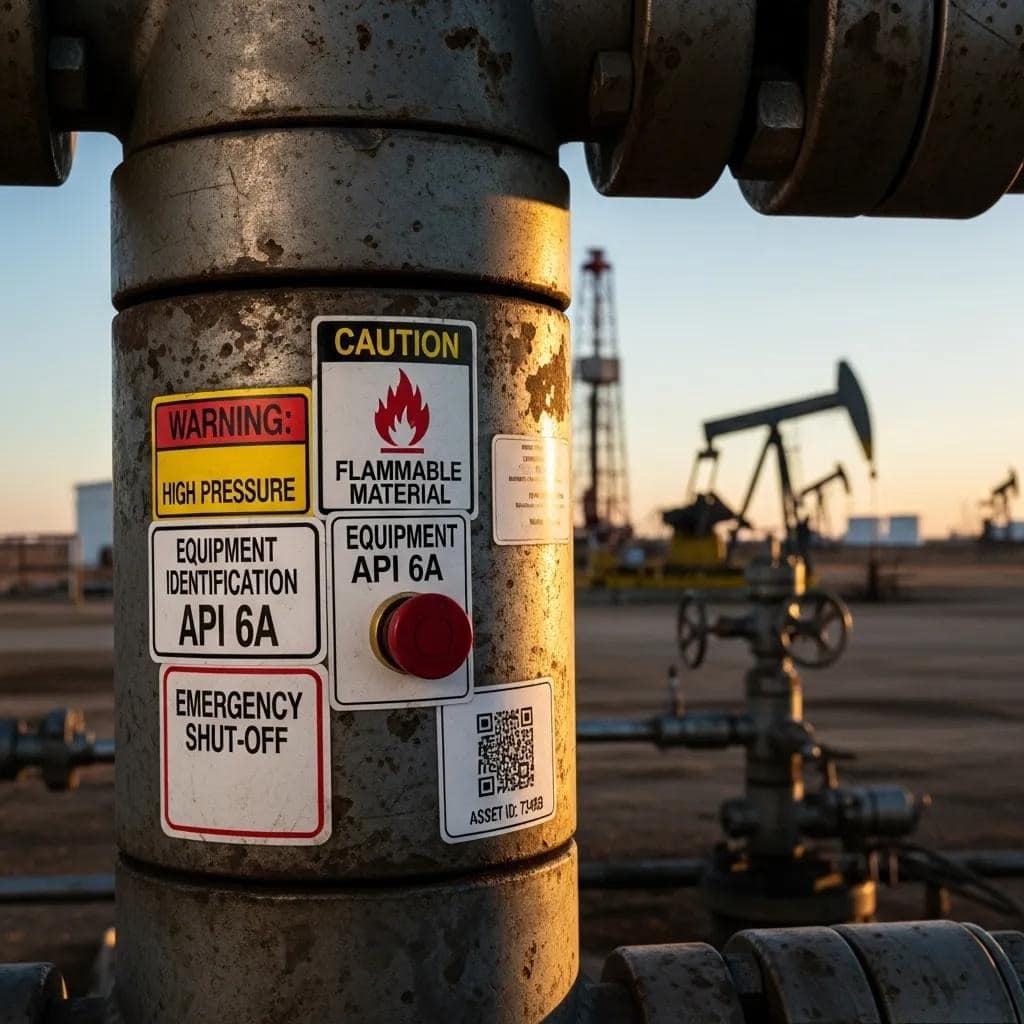
Compliance requirements for oil and gas equipment labels in Texas are essential for ensuring safety and operational integrity. These requirements typically include clear identification of equipment, hazard warnings, and adherence to specific regulatory standards. Labels must be durable and resistant to environmental factors, ensuring they remain legible throughout their lifespan. Non-compliance can lead to significant safety risks and legal repercussions, making it imperative for companies to understand and implement these labeling standards effectively.
Research further emphasizes the critical role of developing robust indicators to monitor regulatory compliance and enhance safety in industrial settings.
Regulatory Compliance & Safety for Oil & Gas Equipment
This article aims to develop a set of regulatory compliance indicators based on a Regulatory Standard 13 (NR-13) to propose a tool for monitoring the conformity of static equipment and thus improve the safety of industrial plants.
Development of indicators for monitoring the regulatory compliance of static equipment in industrial plants—an empirical study in the oil and gas sector, RGG Caiado, 2020
Which Regulatory Standards Govern Asset Tagging in Houston’s Oil and Gas Sector?
The regulatory landscape for asset tagging in Houston’s oil and gas sector is governed by several key standards. These include guidelines from the Occupational Safety and Health Administration (OSHA) and the American National Standards Institute (ANSI). Compliance with these standards ensures that asset tags provide necessary information regarding safety, operational procedures, and equipment specifications. Understanding these regulations is crucial for companies to maintain compliance and avoid penalties.
How Do Compliance Labels Support Safety and Operational Efficiency?
Compliance labels are integral to enhancing safety and operational efficiency in the oil and gas industry. They serve as critical communication tools that convey essential information about equipment usage, safety protocols, and hazard warnings. By ensuring that all personnel can easily identify equipment and understand associated risks, compliance labels help prevent accidents and improve overall operational workflow. This proactive approach to safety not only protects workers but also enhances productivity by minimizing downtime caused by accidents or equipment failures.
How Do Durable Materials Enhance Industrial Asset Tags for Oilfield Equipment?
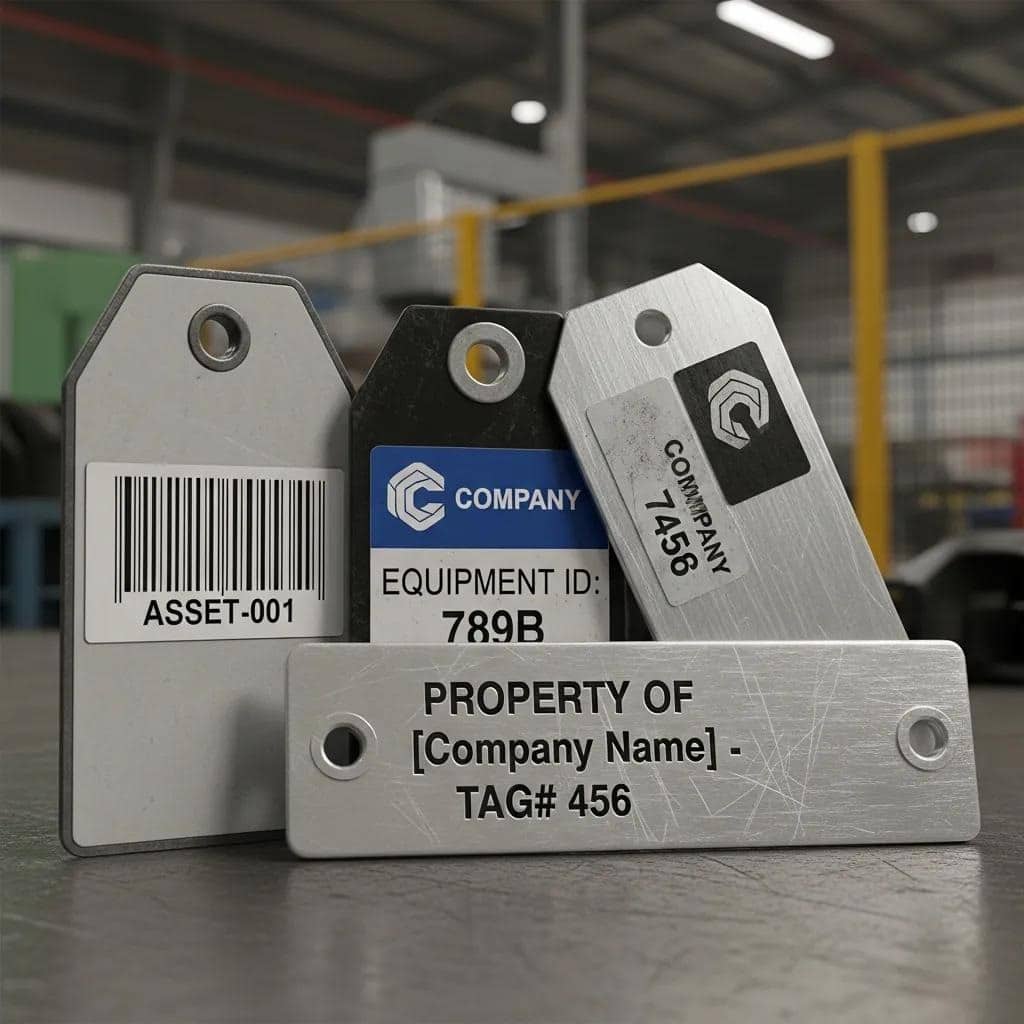
Durable materials are essential for the effectiveness of industrial asset tags used in oilfield equipment. These materials must withstand harsh environmental conditions, including extreme temperatures, moisture, and exposure to chemicals. By utilizing high-quality materials, companies can ensure that their asset tags remain intact and legible over time, which is crucial for maintaining compliance and operational efficiency. The longevity of these labels directly impacts the reliability of asset tracking systems, making material selection a critical consideration.
The development of specialized coatings further exemplifies the industry’s commitment to enhancing material resilience against the severe conditions encountered in oilfield applications.
High Corrosion & Wear Resistant Coatings for Oilfield Applications
Of particular importance is the corrosion and wear resistant qualities of these films. Changes in film chemistry, structure and thickness are attributed to the improved corrosion and wear resistance. Details will be given of the corrosion testing which has taken place, such as exposure to HCL (hot and ambient temperature), NaCl and H2S environments.
A high corrosion and wear resistant interior surface coating for use in oilfield applications, 2010
What Materials Provide Optimal Resistance to Weather, Chemicals, and Abrasion?
When selecting materials for industrial labels, it is important to consider their resistance to various environmental factors. The following materials are commonly used for their durability:
- Polyester: Known for its excellent resistance to chemicals and UV light, making it ideal for outdoor applications.
- Vinyl: Offers flexibility and durability, suitable for labels that need to conform to curved surfaces.
- Aluminum: Provides a robust option for labels that require high resistance to abrasion and extreme weather conditions.
These materials ensure that labels remain functional and compliant, even in the challenging environments typical of the oil and gas industry.
How Is Durability Tested for Equipment Labels in Harsh Houston Oilfield Conditions?
Durability testing for equipment labels involves several rigorous assessments to ensure they can withstand the harsh conditions of the Houston oilfield. Tests typically include exposure to extreme temperatures, humidity, and chemical agents. Additionally, abrasion resistance tests are conducted to evaluate how well labels hold up against physical wear and tear. These testing protocols are essential for verifying that labels will maintain their integrity and legibility throughout their intended lifespan, thereby supporting compliance and safety.
What Customization Options Are Available for Asset Tags and Equipment Labels in Houston?
Customization options for asset tags and equipment labels are crucial for meeting the specific needs of the oil and gas industry. Companies can choose from various design elements, including size, color, and material, to create labels that best suit their operational requirements. Customization also allows for the inclusion of barcodes, QR codes, and other tracking technologies that enhance asset management capabilities. This flexibility ensures that labels can be tailored to the unique challenges faced in the field.
How Can Custom Designs Improve Asset Tracking and Identification?
Custom designs for asset tags significantly enhance tracking and identification processes. By incorporating unique identifiers such as barcodes or RFID technology, companies can streamline their asset management systems. This not only improves the accuracy of inventory tracking but also facilitates quicker access to equipment information, thereby enhancing operational efficiency. Furthermore, custom designs can incorporate branding elements, reinforcing company identity while ensuring compliance with industry standards.
What Local Services Does Houston Sign Company Offer for Custom Industrial Labels?
Houston Sign Company specializes in providing custom industrial labels tailored to the needs of the oil and gas sector. Their services include:
- Design Consultation: Collaborating with clients to create labels that meet specific operational requirements.
- Material Selection: Offering a range of durable materials suitable for various environmental conditions.
- Rapid Turnaround: Ensuring timely delivery of labels to minimize downtime in operations.
These services position Houston Sign Company as a valuable partner for companies seeking reliable labeling solutions.
Which Tracking Technologies Integrate with Industrial Labels for Enhanced Asset Management?
Integrating tracking technologies with industrial labels is essential for enhancing asset management in the oil and gas industry. Technologies such as barcodes and RFID systems allow for real-time tracking of equipment, improving inventory management and operational efficiency. These systems enable companies to monitor asset locations, usage patterns, and maintenance schedules, ultimately leading to better decision-making and resource allocation.
How Do Barcode and RFID Technologies Improve Industrial Asset Tracking?
Barcode and RFID technologies play a pivotal role in improving industrial asset tracking. Barcodes provide a simple and cost-effective method for identifying equipment, while RFID offers advanced capabilities such as automatic scanning and tracking without direct line-of-sight. These technologies enhance the accuracy of asset management systems, reduce human error, and streamline operational processes. By implementing these solutions, companies can achieve greater visibility and control over their assets.
What Are the Latest Trends in Smart Labels for Oil and Gas Equipment?
The emergence of smart labels represents a significant trend in the oil and gas industry. These labels incorporate advanced technologies such as NFC (Near Field Communication) and IoT (Internet of Things) connectivity, allowing for enhanced data collection and real-time monitoring. Smart labels can provide valuable insights into equipment performance, usage patterns, and maintenance needs, enabling proactive management strategies. As the industry continues to evolve, the adoption of smart labeling solutions will likely become increasingly prevalent, driving efficiency and safety improvements.
This advancement is further supported by research into sophisticated traceability systems, such as those utilizing IC chip labels, designed for extreme environments and comprehensive product lifecycle management.
Oil Well Pipe Traceability with IC Chip Labels for Extreme Environments
Therefore, we have conducted the research and development on traceability which requires authentication of the applicable standard of individual product, and confirmation of product durability performance by managing cumulative elapsed use load on products. Finally, we successfully developed GPI traceability system which enables standard QC of GPI products a
Study on FRP oil well pipe traceability system by IC chip label (part 1), 2015
Different materials used for industrial asset tags offer varying levels of resistance to environmental factors, which is crucial for their effectiveness in the oil and gas sector.
| Material | Weather Resistance | Chemical Resistance | Abrasion Resistance |
|---|---|---|---|
| Polyester | High | High | Moderate |
| Vinyl | Moderate | High | Moderate |
| Aluminum | High | High | High |
This comparison highlights the importance of selecting the right material for specific applications, ensuring that labels remain functional and compliant in challenging environments.
Frequently Asked Questions
What are the benefits of using smart labels in the oil and gas industry?
Smart labels offer numerous benefits in the oil and gas industry, including enhanced data collection and real-time monitoring capabilities. By integrating technologies like NFC and IoT, these labels provide insights into equipment performance and usage patterns. This allows for proactive maintenance and better resource allocation, ultimately improving operational efficiency and safety. As the industry evolves, the adoption of smart labeling solutions is expected to increase, driving further advancements in asset management and compliance.
How can companies ensure compliance with labeling regulations?
To ensure compliance with labeling regulations, companies should familiarize themselves with the relevant standards set by organizations like OSHA and ANSI. Regular training for employees on compliance requirements is essential, as is conducting periodic audits of labeling practices. Additionally, partnering with local experts, such as the Houston Sign Company, can provide valuable insights and assistance in creating compliant labels tailored to specific operational needs, thereby minimizing the risk of penalties and enhancing safety.
What role do barcodes and RFID play in asset management?
Barcodes and RFID technologies are crucial for effective asset management in the oil and gas sector. Barcodes provide a straightforward method for identifying equipment, while RFID allows for automatic tracking without the need for direct line-of-sight. These technologies enhance the accuracy of inventory management, reduce human error, and streamline operational processes. By implementing these solutions, companies can achieve better visibility and control over their assets, leading to improved efficiency and reduced operational costs.
What factors should be considered when selecting materials for equipment labels?
When selecting materials for equipment labels, companies should consider factors such as weather resistance, chemical exposure, and abrasion resistance. Materials like polyester, vinyl, and aluminum each offer different levels of durability suited for various environmental conditions. It’s essential to choose materials that can withstand the specific challenges of the oil and gas industry, ensuring that labels remain legible and functional throughout their intended lifespan, thereby supporting compliance and safety.
How can customization improve the effectiveness of asset tags?
Customization significantly enhances the effectiveness of asset tags by allowing companies to tailor labels to their specific operational needs. This includes selecting appropriate sizes, colors, and materials, as well as incorporating unique identifiers like barcodes or QR codes. Custom designs can also include safety information and branding elements, which not only improve asset tracking and identification but also ensure compliance with industry standards. This tailored approach helps streamline operations and enhances overall safety in the field.
What are the latest advancements in labeling technology for the oil and gas sector?
Recent advancements in labeling technology for the oil and gas sector include the development of smart labels that utilize NFC and IoT connectivity. These innovations enable real-time data collection and monitoring, providing valuable insights into equipment performance and maintenance needs. Additionally, research into IC chip labels designed for extreme environments is paving the way for improved traceability and lifecycle management. As these technologies continue to evolve, they promise to enhance safety and operational efficiency in the industry.
Conclusion
Implementing effective asset tags and equipment labels is essential for ensuring safety, compliance, and operational efficiency in Houston’s oil and gas industry. By utilizing durable materials and adhering to regulatory standards, companies can significantly enhance their asset management capabilities. Customization options further allow for tailored solutions that meet specific operational needs, improving tracking and identification processes. Discover how our expert services at Houston Sign Company can help you optimize your labeling solutions today.